
Saturday, June 20, 2015
'Dumbarton Oaks' hardy kiwi
First year that it's fruited here...
 Looking forward to getting to eat them later in the season.

Rosa bracteata X (rugosa x palustris)
BH1 aka "The Pink Monster" is just about done blooming but it's three siblings are in full bloom now. Here's one of the last blooms on BH1.
 Here's BH3, which is maybe my personal favorite, because of it's exceptional health, beauty and a tendency to have a few scattered later blooms. It's about 7 or 8 feet tall now.

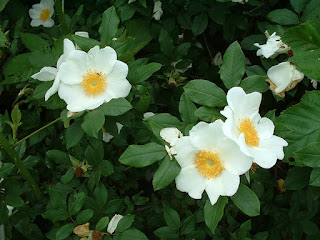
 The foliage will look a little worse as the season progresses but it's still WAY healthier than the average rose.


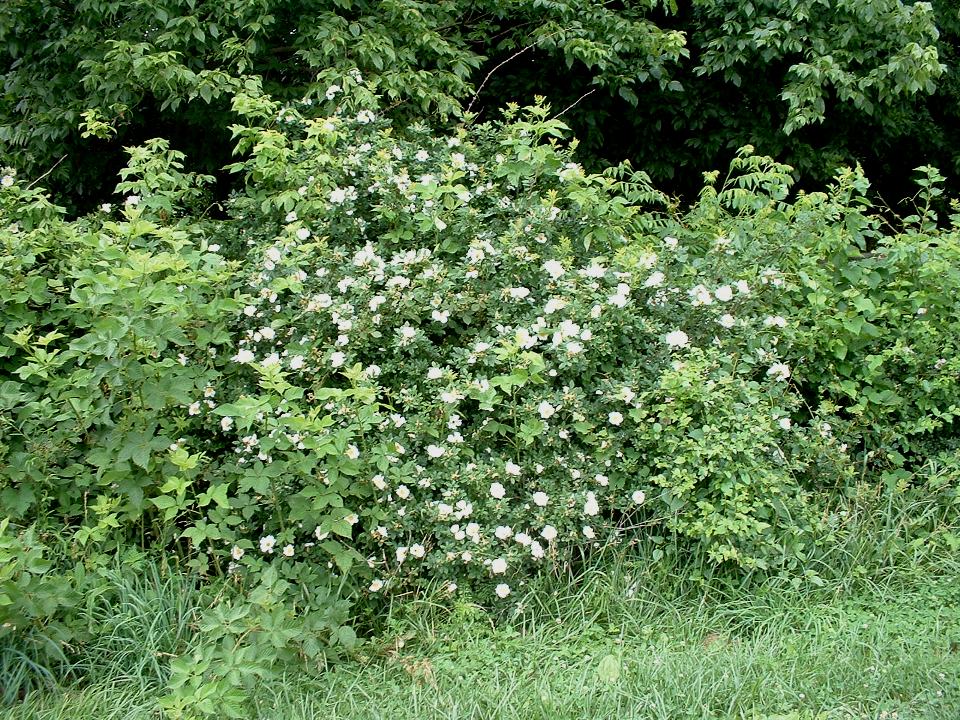
Close up of the flowers of BH3.

Skipped getting pictures of BH2 because it's the most boring of the four. Here's BH4 which has the distinction of being an extremely pale pink.

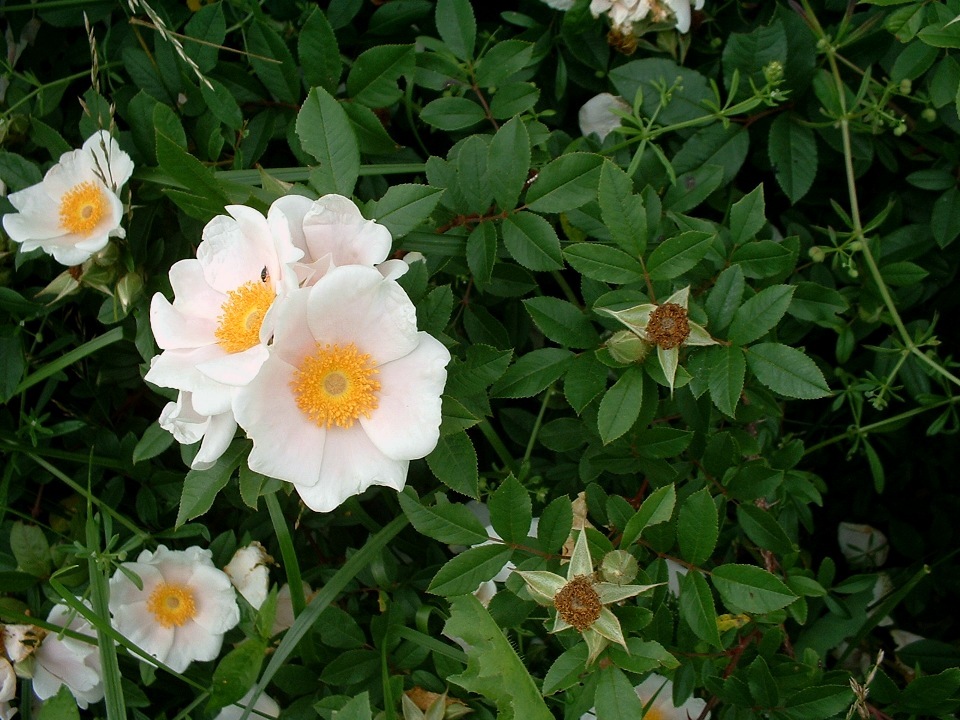
All four of these hybrids have reduced fertility. In the few hips that remain, they will typically only have 1-4 seeds. But at least they aren't completely sterile. I really should try putting more pollen on them rather than just letting them open-pollinate. Then maybe I'd get a few more seeds, and the offspring would have a better chance at
Rosa palustris
Super late bloom season as always, this is the locally collected clone of Rosa palustris that I've used in so many crosses. It would be even taller if I didn't hack it back every fall, and as it is, it's probably about 6 feet (2 meters) tall.

Foliage and bloom.

Saturday, June 13, 2015
Rosa virginiana X arkansana
I'd guessed that this particular seedling might turn out to be a white-flowered one, because the stems of the plant are green rather than reddish like its siblings. Sure enough it's white. I'll bet it would have looked even prettier if I'd gotten to see it before the heat and thrips took their toll. Although I've read about them, this is the first white flowered type I've seen among the North American tetraploid species and their hybrids.


Wednesday, June 10, 2015
Rosa bracteata X (rugosa x palustris) "Pink Monster"
This seedling got dealt a heavy dose of rugosa genes compared to its siblings. It has the darkest pink flowers and the most rugosa looking foliage.


Previous season's rose species cross seedlings
Most vigorous and healthy are the Rosa davidii X fedtschenkoana seedlings. I know I need to do some weeding but I couldn't wait to get pictures.
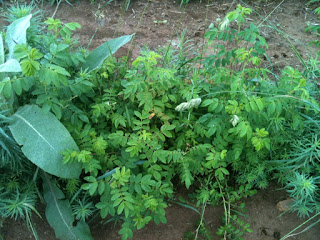 Close up of the rugosa-like foliage...
 Very long narrow foliage on Rosa palustris X 'Old Blush'. I think I'll have to repeat this cross this season and get some more of these.
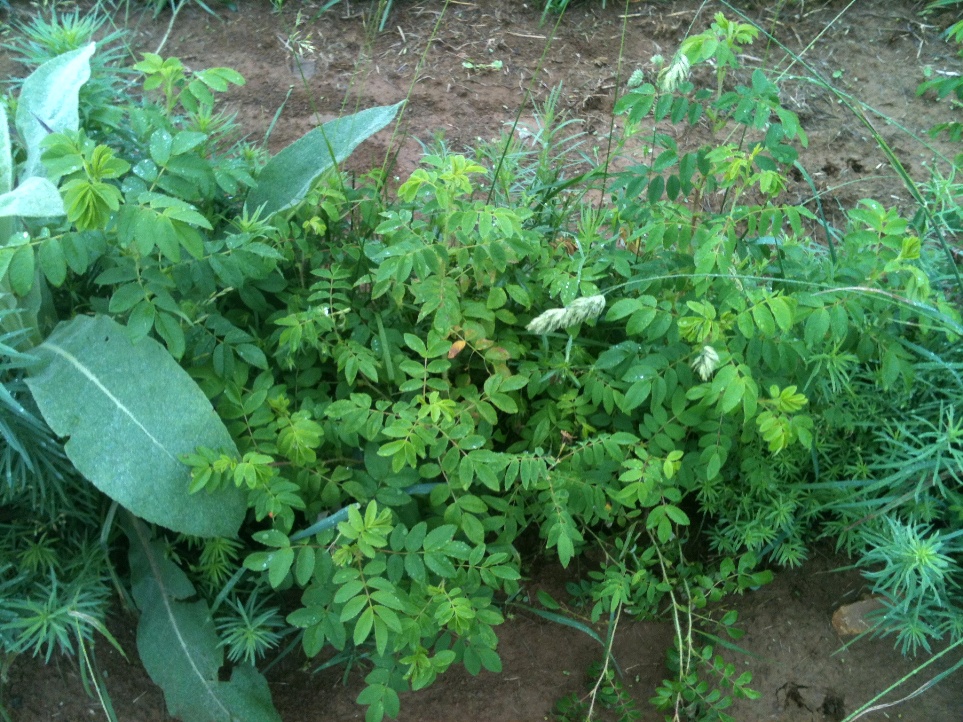
 More palustris hybrids... these are from pollen of Rosa xanthina. Glad to see them finally start to stretch out.



Subscribe to:
Posts (Atom)